
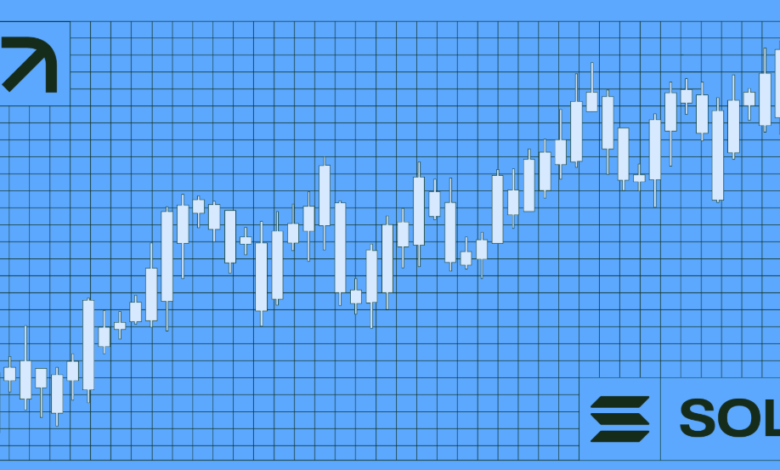
Introduction: The Foundation of Solana Current Price
At its core, the solana current price is driven by one simple economic principle: supply and demand. While charts, news, and trends may seem complex, they all connect back to how many people want to buy SOL versus how many want to sell it.
By understanding supply and demand, beginners can better interpret price movements and avoid common misunderstandings in the crypto market.
What Is Supply in the Solana Ecosystem?
Circulating Supply Explained
Circulating supply refers to the number of SOL tokens currently available for trading. This includes tokens held by investors, traders, and institutions.
Solana’s supply increases gradually through:
- Staking rewards
- Scheduled token releases
As supply increases, the solana current price may face pressure unless demand grows at the same pace.
Total vs Circulating Supply
- Total supply: All SOL tokens that will ever exist
- Circulating supply: Tokens currently available in the market
Only circulating supply directly affects price.
What Creates Demand for SOL?
Network Usage
Demand rises when users need SOL to:
- Pay transaction fees
- Mint and trade NFTs
- Participate in DeFi applications
More usage means more demand, which can support a higher solana current price.
Investor Interest
Demand also comes from:
- Long-term investors
- Traders seeking price movements
- Institutions adding SOL to portfolios
Positive sentiment often increases buying pressure.
How Supply and Demand Interact
High Demand + Limited Supply
When demand increases faster than supply:
- Buyers compete for available SOL
- Prices typically rise
This often happens during bull markets or major ecosystem growth.
High Supply + Low Demand
When selling pressure increases and demand weakens:
- Excess tokens flood the market
- Prices usually fall
This is common during market corrections.
Role of Staking in Supply Reduction
Staking Locks Up SOL
When users stake SOL:
- Tokens are temporarily removed from circulation
- Available supply decreases
This can reduce selling pressure and support the solana current price over time.
Long-Term Impact
High staking participation often signals confidence in the network and may stabilize price volatility.
Token Unlocks and Their Effect
Scheduled Unlocks
When large amounts of SOL become unlocked:
- Circulating supply increases
- Short-term price pressure may occur
Investors often monitor unlock schedules closely.
Market Expectations
If unlocks are expected, their impact may already be priced into the solana current price.
External Market Demand Factors
Bullish Market Conditions
Strong crypto markets attract new capital, increasing demand across major assets, including Solana.
Bearish Market Conditions
In uncertain times, investors reduce risk, decreasing demand and lowering prices.
Why Understanding Supply and Demand Matters
When you understand supply and demand:
- Price movements make more sense
- Emotional trading decreases
- Long-term trends become clearer
Rather than reacting to short-term volatility, you can analyze the root causes behind the solana current price.
Frequently Asked Questions (FAQs)
1. Does increasing supply always lower solana current price?
Not if demand grows at the same or faster rate.
2. How does staking help support price?
It reduces circulating supply and selling pressure.
3. Can demand increase without price rising?
Yes, if new supply enters the market at the same time.
4. Do token burns affect solana current price?
Solana does not rely heavily on burns, so impact is limited.
5. Is supply fixed for Solana?
Solana has an inflationary model with a declining issuance rate.
6. Should beginners track supply metrics?
Yes, they provide valuable insight into price behavior.
Conclusion
The solana current price is shaped by the balance between supply and demand. When demand for SOL increases through usage, adoption, and investment interest, prices tend to rise. When supply grows faster than demand, prices face pressure.
Understanding this balance helps you move beyond price speculation and toward informed decision-making.


